“During training, we realized that many of the households we support did not have access to clean water. Through the TCD water committee we created, we tested the pH levels of the Nyamwamba water and found it was not potable. Now we are working together to see how families can access safe, quality water.”
Uganda Water Visit Report
Firsthand water findings from David Allis's November 2026 trip to Uganda, partner insights from the ground, Kasese water lab testing, and our dual-track plan for deep boreholes and $20 household water filters across 50+ communities.
What David Saw Three Hours Outside Kampala
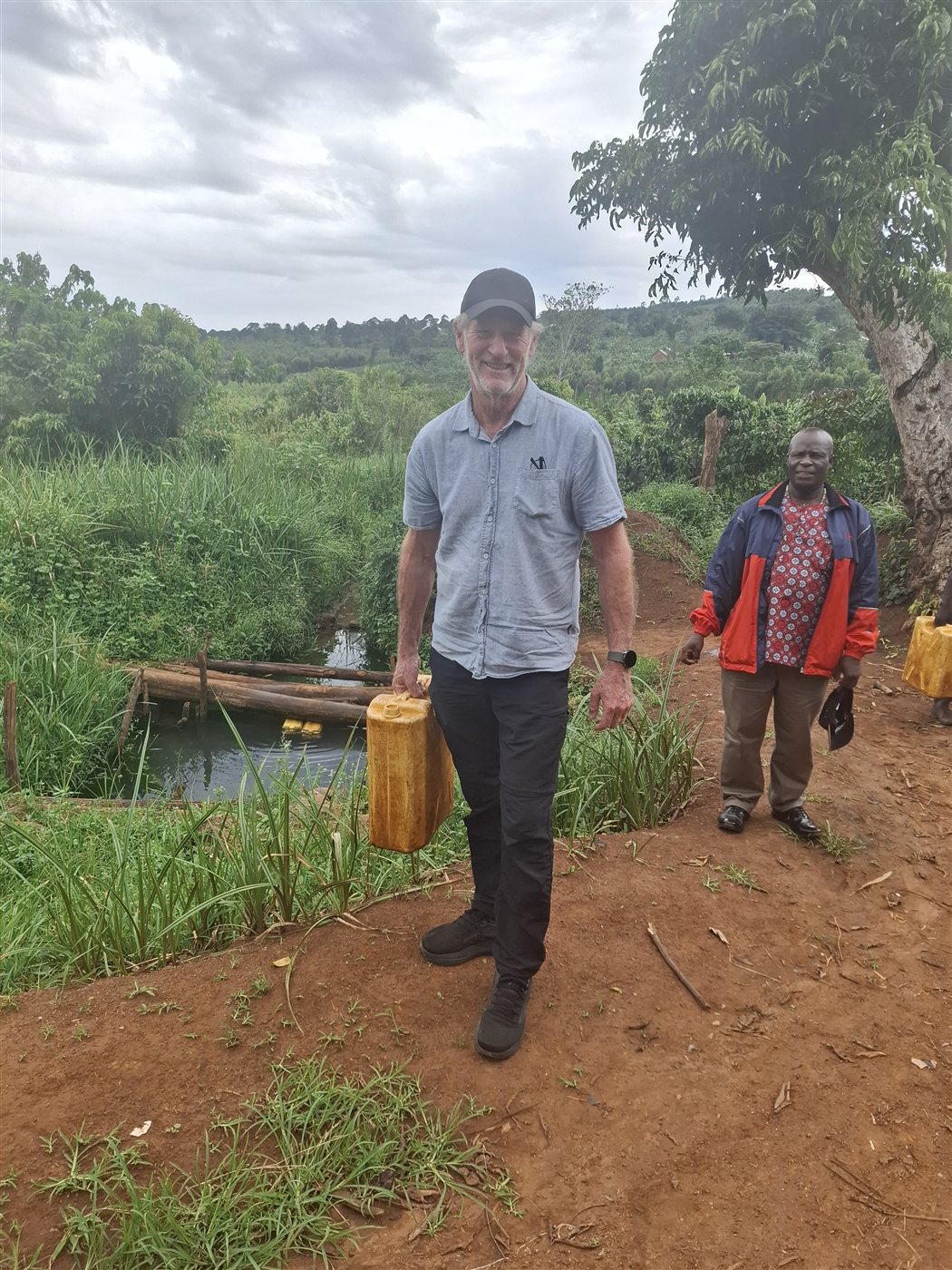
On 6 November 2026, CTT co-founder David Allis travelled three hours outside Kampala with local partner Tonny to visit a rural community struggling daily for safe water. What they found mirrors the reality across many villages in Western Uganda.
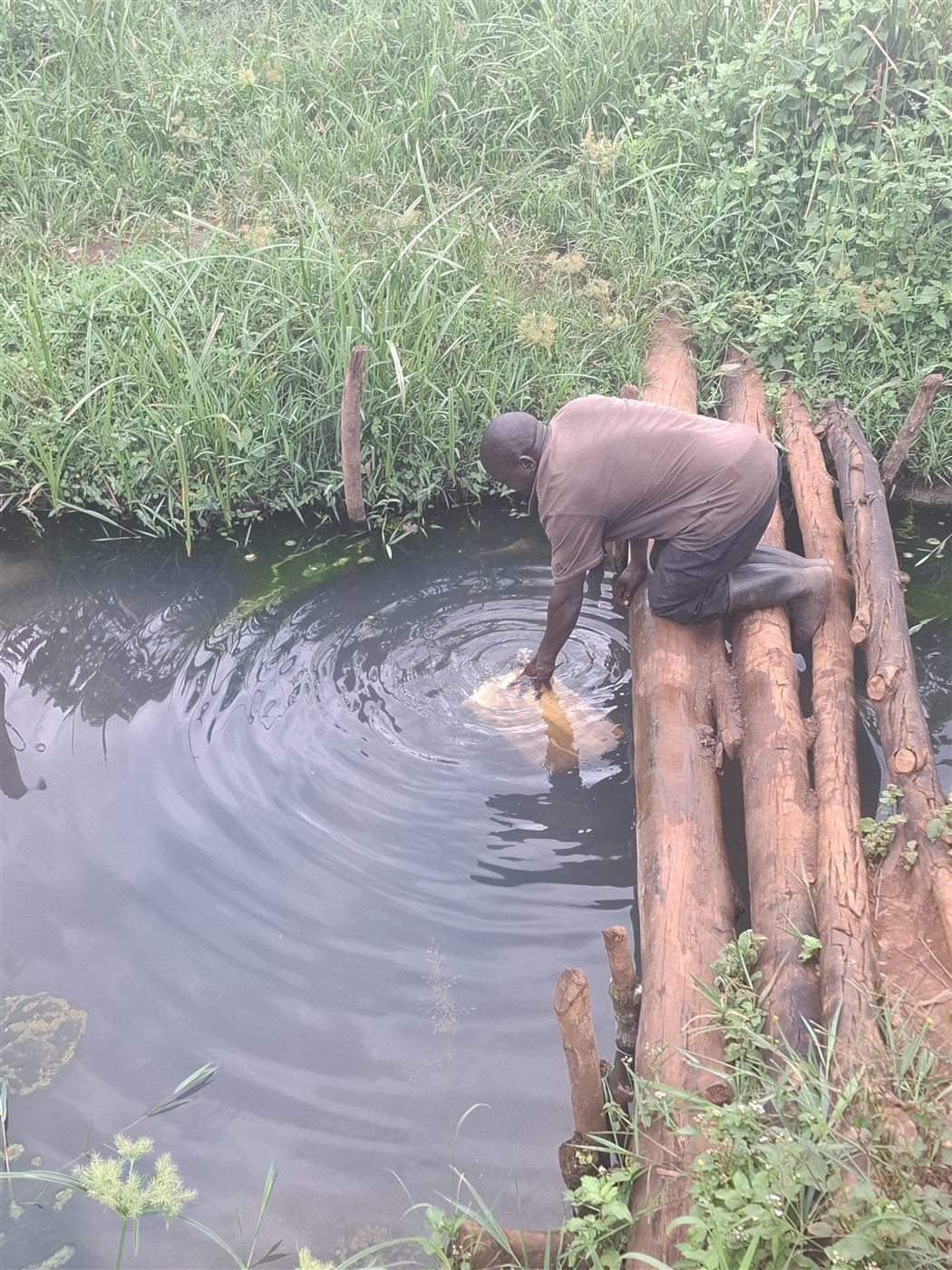
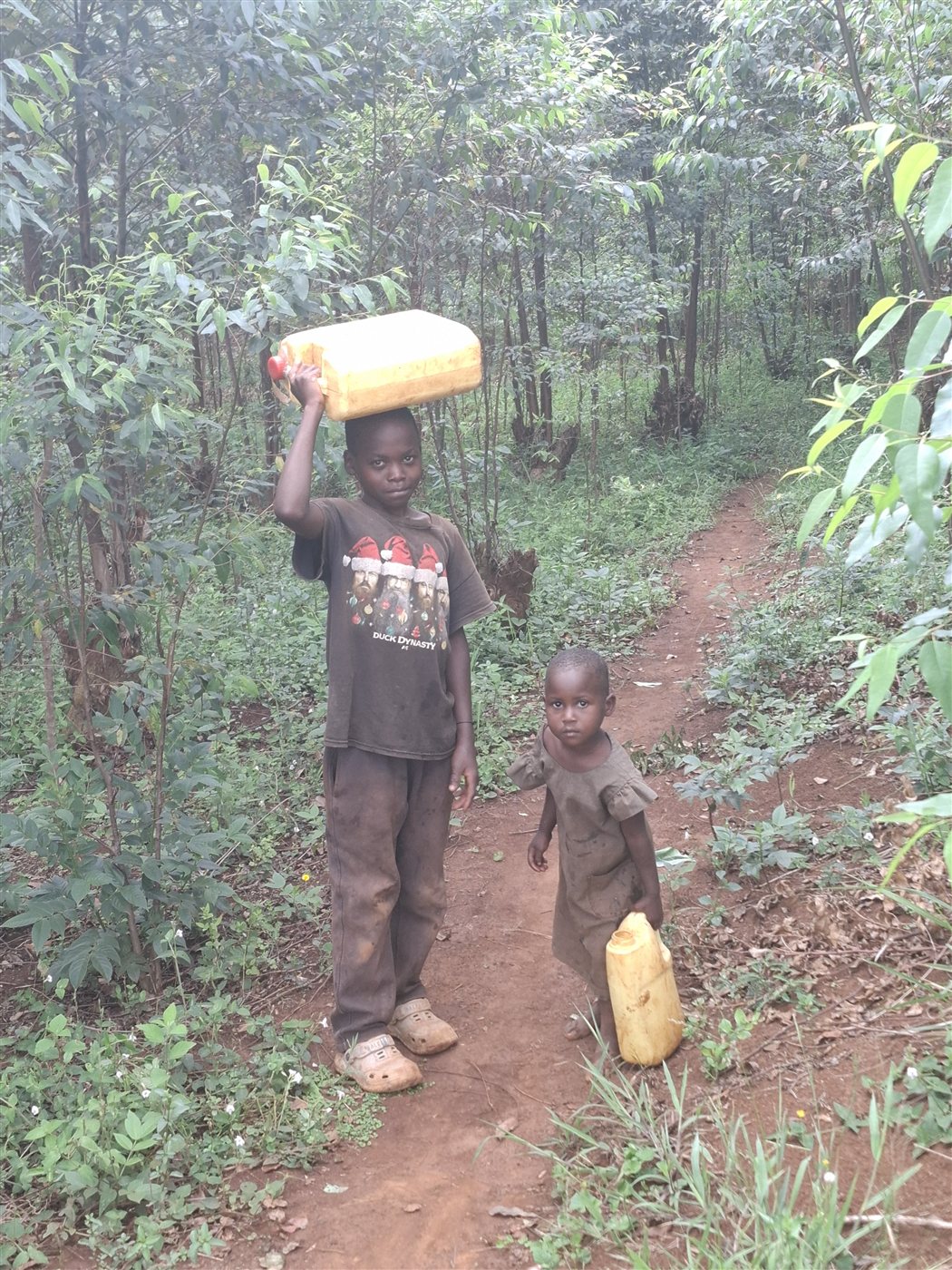
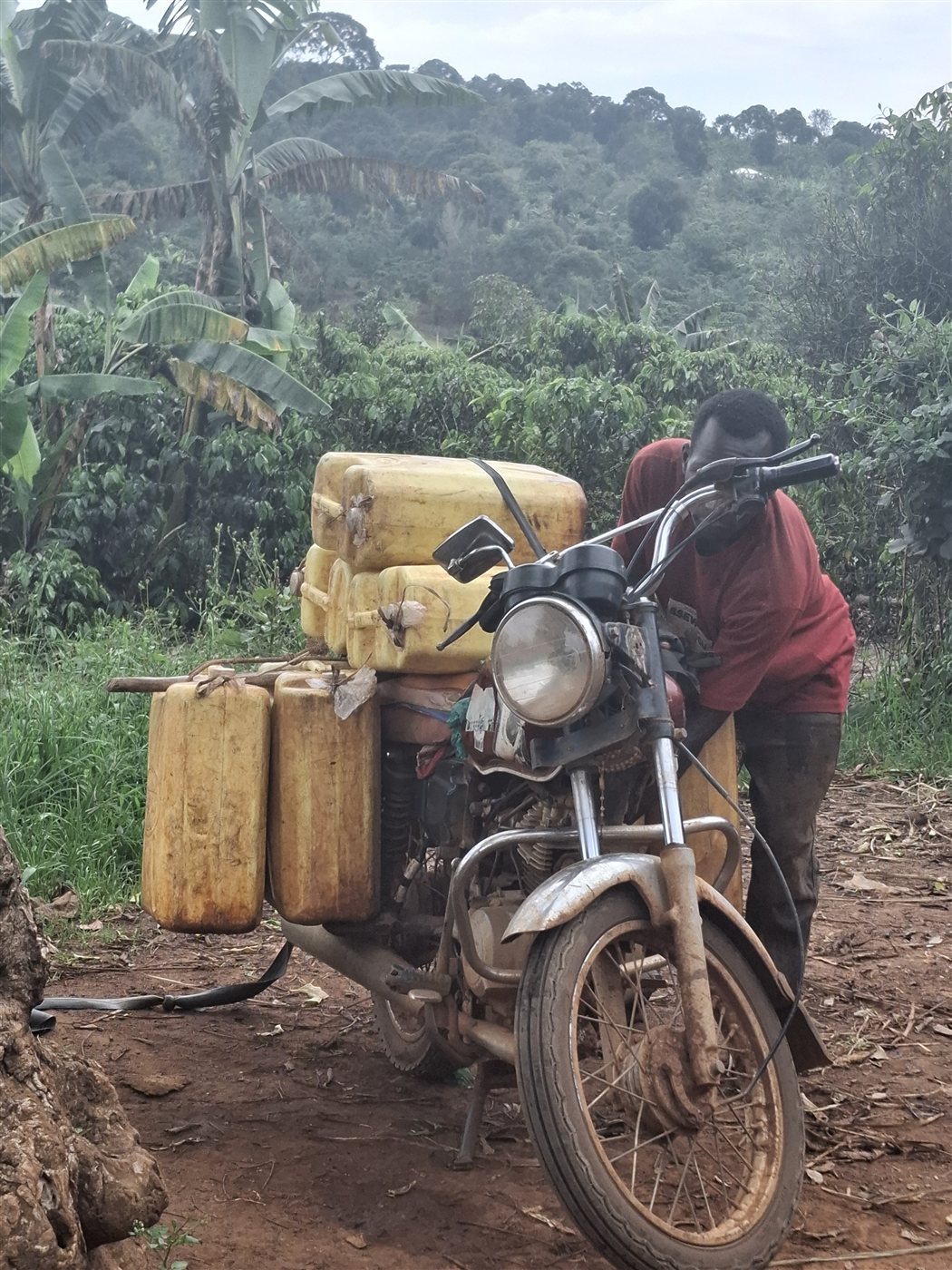
“When we got to the community, they showed me their seasonal water source — a muddy puddle in the ground — and their regular water source, an open spring with unclean water. We saw kids collecting water and motorcycles being used to haul jerrycans up the long hill. This water needs to be boiled before use at a minimum, yet many families don't have the firewood or time to boil it.”
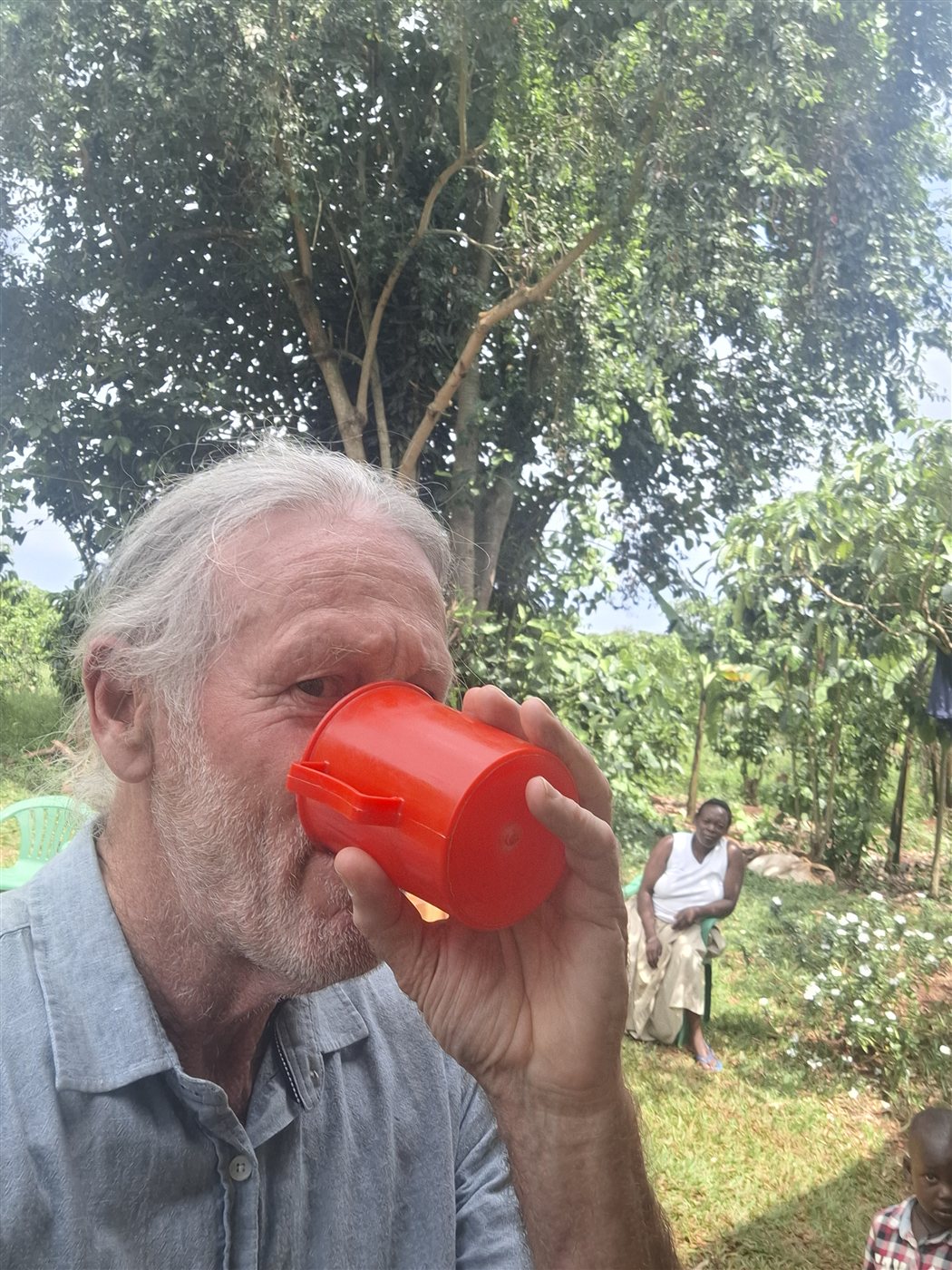
Right there in the village, the team demonstrated a 0.1-micron hollow-fiber membrane bucket filter on the murky local water. As David noted: “To prove it worked, I drank a cup of the filtered water myself — and the water came out crystal clear.”
What Our Local Partners & Trainers Shared
During the November 2026 training cohorts and strategy meetings in Kasese and Kinyamaseke, local leaders and Master Trainers spoke directly about why clean water is the starting point for breaking poverty.
“In Africa, water is life — you must have a good source of clean water. Clean water alongside sanitation and hygiene eliminates roughly 80% of common rural sickness. If people have education and income, but no water, they stay poor — because their money and working hours go toward finding water and paying hospital bills.”
“Rwensenene is one of the most remote areas in Kagadi — when it rains, the roads become nearly impassable. Families work hard farming, yet poor water and sanitation keep trapping households in sickness. Bringing sustainable, community-owned solutions close to our people changes what is possible for women and children.”
Why One Solution Doesn't Fit Every Village
Water quality testing verified in Kasese on 11 November 2026 confirmed two distinct realities across Western Uganda — shaping our entire clean water strategy:
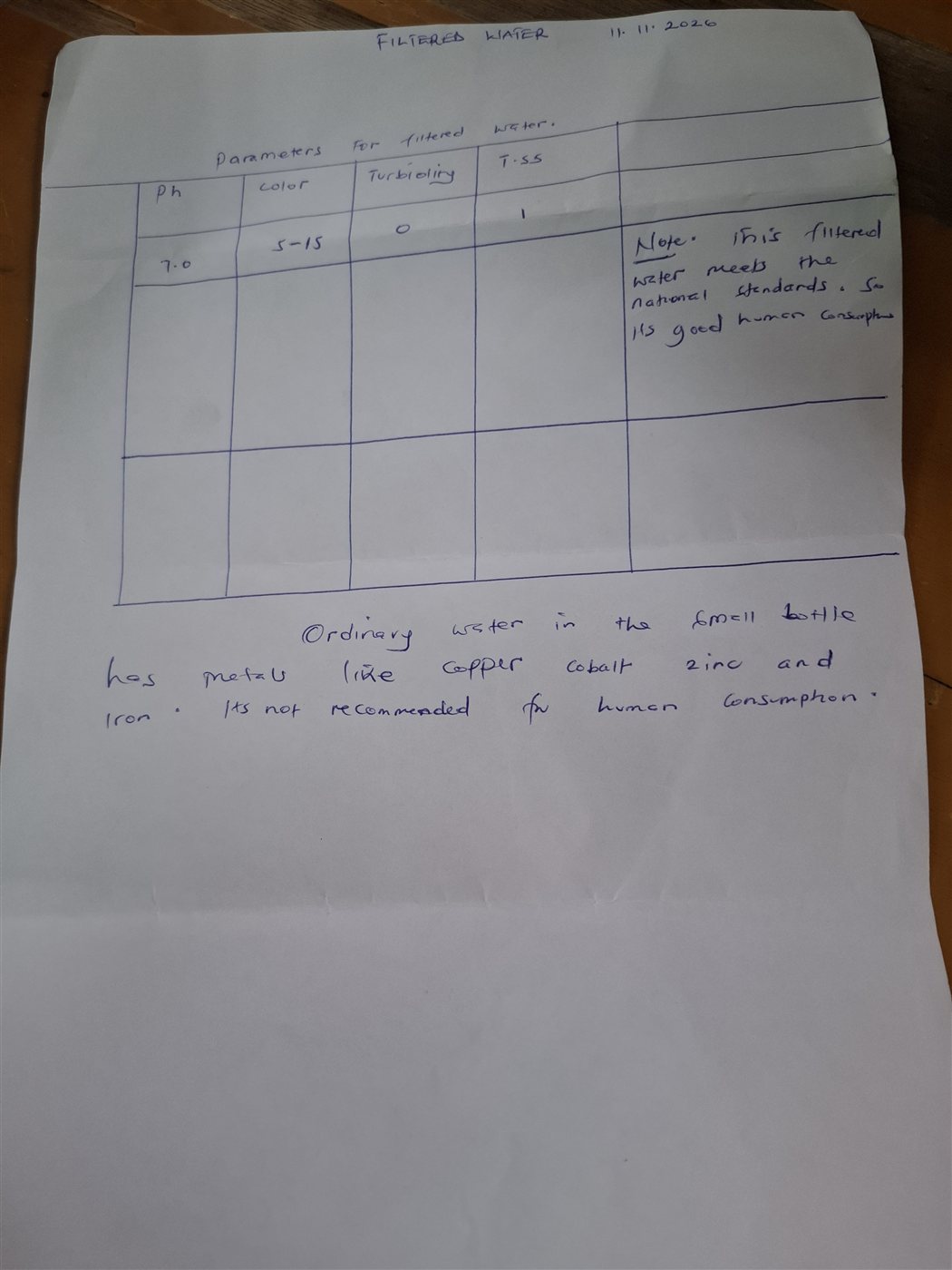
- Clean-mineral villages (0.1-micron filters pass national standards): Lab testing of water passed through our $20 household hollow-fiber membrane filter recorded pH 7.0, Turbidity 0 NTU, and TSS 1 mg/L — completely safe and meeting Ugandan national drinking standards.
- Copper-runoff corridor (filters cannot remove dissolved metals): Along Kasese's Nyamwamba Basin and Kilembe copper-mine runoff corridor, raw water carries dissolved copper, cobalt, zinc, and iron. Because membrane filters only remove biological pathogens and sediment, they cannot filter out dissolved copper — meaning affected communities urgently require deep, cased groundwater boreholes.
How Village Water Committees Lead Every Project
CTT does not impose top-down water projects from New Zealand. Following TCD principles, every participating community sets up an elected Village Development Committee (VDC) and a dedicated Village Water Committee — coached by trained local Village Champions with hands-on encouragement from Dorothy (KIYOSIMA), Rev. Kule & Jemimah (MUWOFA), Robert & Moreen (APA), and Martins Atanda (GHNI).
Identify Water Sources & Village Maps
Village Champions and committees document where families currently fetch water (open springs, streams, boreholes, or public taps), walking times, dry-season scarcity, and whether local river stones, sand, and poles exist nearby. Together, villagers draw a hand-drawn village resource and disease map showing homes, springs, pit latrines, and where waterborne illness clusters.
Map Nearby Boreholes, Pipes & Copper Risk
Working alongside local partner coordinators, the Kasese District Water Office, and mobile GIS mapping (mWater / SOLSTICE), teams record GPS pins, nearby working or broken boreholes, distance to town piped water (such as NWSC lines), and village layout (clustered vs. scattered hillsides). Using field pH strips, TDS pens, and NWSC lab referrals, they determine whether dissolved copper is present.
Vote on Top Priorities & Start Locally
Committees carry out simple 10-to-15 home spot checks and lead a whole-village “10-Seed” priority vote to choose their top priorities. Rather than waiting passively for outside funding, active villages launch an immediate zero-cost seed project using 100% local labour and materials — such as clearing, digging drainage, and stone-lining their open drinking spring so water runs clearer and less muddy.
Manage & Maintain Water Long-Term
Once clean water infrastructure is built or deployed, the elected Village Water Committee (with trained Chairperson, Secretary, and Treasurer) owns it permanently — tracking serial-numbered household filters and spare parts, or managing transparent monthly repair floats and pay-per-jerrycan maintenance funds so boreholes never fall into disrepair.

Our Dual-Track Clean Water Rollout
Once a village's Water Committee maps its sources and confirms copper risk, CTT backs their locally chosen solution with the right low-cost, community-owned technology.
Deep Groundwater Boreholes
For villages near Kasese's copper mines where surface water is contaminated by heavy metals, CTT is raising $10,000 NZD to drill our first deep community borehole (serving 500–1,000+ people, or ~$100 NZD per 5 people).
- Hand-Pump Boreholes (45–60m+): India Mark II/III pumps with sanitary grouting and zero fuel/electricity costs for rural clusters of 300–500 people.
- Solar Submersible Kiosks (65–80m+): Elevated solar arrays and multi-tap kiosks for larger communities, with transparent per-jerrycan fees held in a ring-fenced Village Water Committee maintenance fund.
Smart Household Filter Deployment
In villages away from copper runoff, our $20 NZD 0.1-micron hollow-fiber membrane filter kits purify spring and stream water at the household level without firewood or boiling.
- Local Bucket Ownership: Families buy their own new food-grade 20L lidded buckets locally (~$2.50 USD), eliminating used chemical drums and long-haul trucking costs.
- On-Site Drilling & Care: Trained Village Champions use a shared village drill-bit pool to fit dual-washer leak-proof bulkheads, rainy-season pre-filter cloths, and tethered 60mL backflush syringes.
- 3-Stage Rollout: 20 sample bench checks → 200 units for Kasese bucket trials and field E. coli checks → 5,000-unit scale-up across 50 villages.
Help Bring Safe Water to Western Uganda
Every donation goes directly to village clean water and community-led development on the ground, and all donations are tax-deductible in New Zealand.