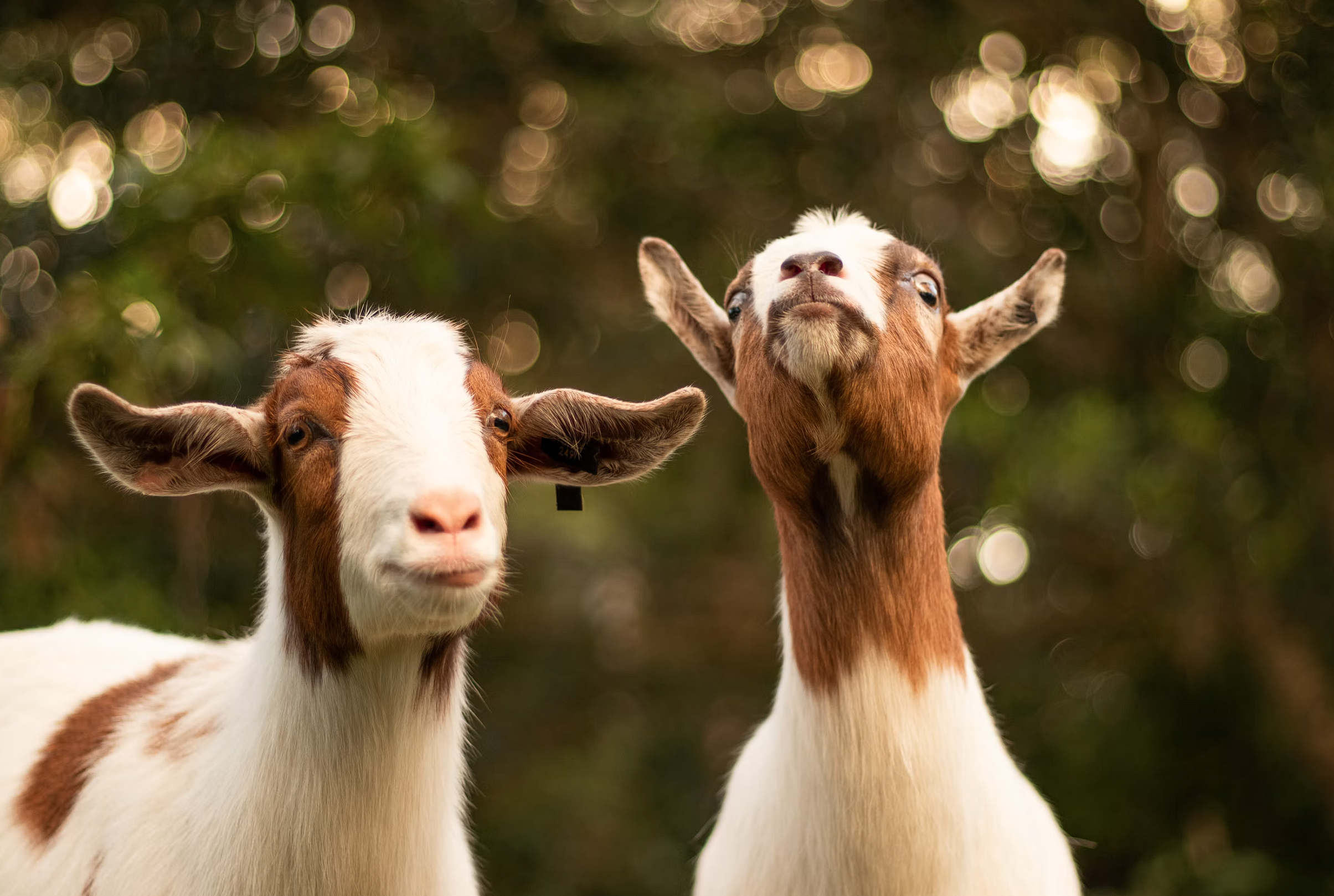
A revolving goat fund used by organizations like Global Hope Network International (GHNI) is a community-led economic development model designed to break cycles of extreme poverty through livestock.
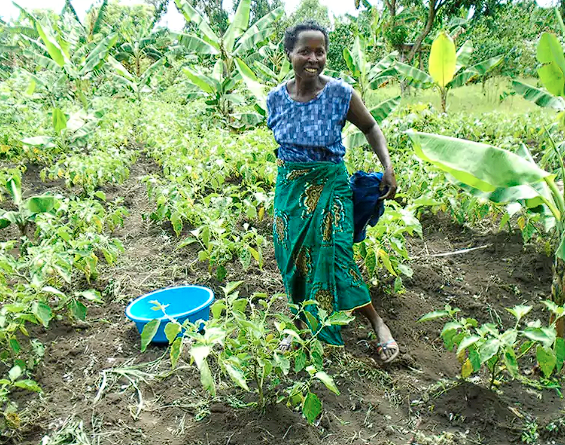
In rural farming communities like Kasese District in western Uganda, cash is scarce, but land and forage are readily available. Rather than offering one-way hand-outs that foster dependency, the revolving goat model empowers local families to become self-reliant producers, business owners, and active contributors to their neighbours' well-being.
How the GHNI Revolving Goat Model Works
Initial Distribution
Beneficiaries who have completed animal husbandry and income-generation training through GHNI’s Transformational Community Development (TCD) program receive female goats (does).
In Kasese, Uganda, each graduate of our 4-day residential TCD Training course receives one healthy female starter goat as their foundational capital asset.
The "Pass-On" System ("Paying with a Goat")
When the initial goats reproduce, the first offspring (young goats/female kids) are passed on to a new family or beneficiary in the village.
The "loan" is not repaid in cash, which vulnerable families often struggle to obtain, but in living livestock. The act of repaying the loan directly blesses and lifts another local neighbour out of poverty.
Self-Sustaining Growth
Once the first offspring is passed along, the original recipient family keeps subsequent offspring to build their own herd, produce milk for household nutrition, or sell animals for income.
This creates a self-replicating loop where the "loan" rolls over from neighbour to neighbour without needing continuous external donations. A single gifted goat ripples across dozens of households over time.
Core Principles: GHNI's 4Ls Framework
The revolving goat model directly embodies GHNI’s proven 4Ls framework for sustainable community transformation:
Low Cost
A starter goat requires very low financial capital ($80 NZD) compared to cattle or mechanized farming, making it accessible to launch at scale.
Low Tech
Animal husbandry uses straightforward, practical skills that any villager can master without expensive equipment, specialized machinery, or electricity.
Local Resources
Goats graze on native vegetation, shrubbery, and crop residues readily available around village homesteads, requiring no imported commercial feeds.
Local Leadership
Village TCD Committees oversee the kidding schedules, track transfers to next families, and ensure peer accountability and care across the community.
Why Goats Transform Families
Vital Child Nutrition
Goat milk is naturally rich in calcium, essential vitamins, and easily digestible proteins, drastically reducing childhood malnutrition and stunting in rural villages.
High Reproduction Rate
Female goats typically give birth to twins or single kids twice per year. A family's small herd can double in size within 12 to 18 months under good care.
Natural Soil Fertilizer
Goat manure provides rich organic fertilizer for household vegetable gardens and crops like maize and beans, dramatically boosting seasonal harvest yields.
Emergency Savings & School Fees
As herds grow, selling mature male goats provides ready cash to pay for primary school tuition, uniforms, books, and unexpected medical expenses.
The Revolving Goat Fund in Kasese, Uganda
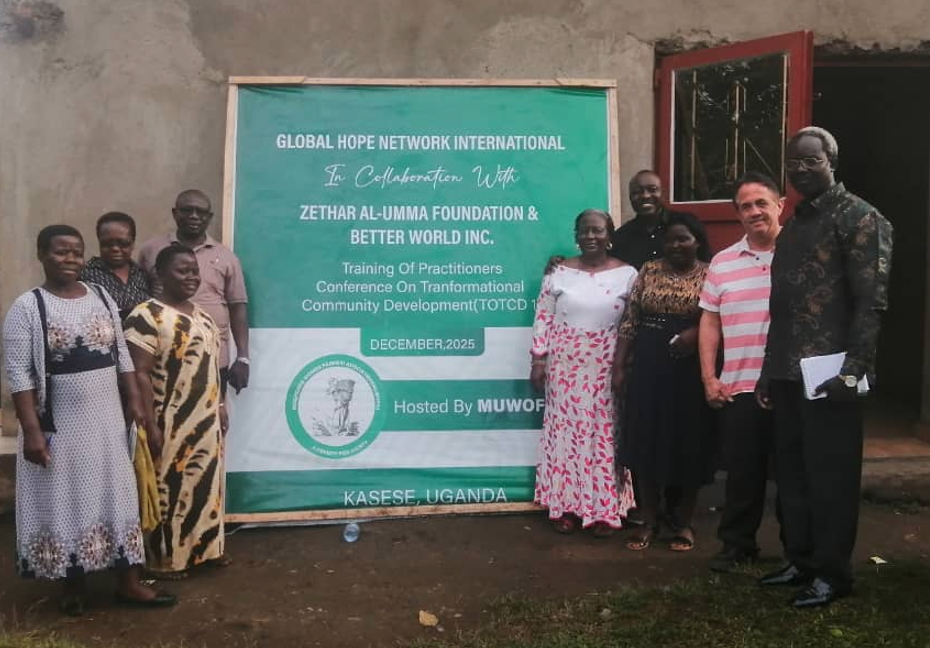
In Kasese District, Community Transformation Trust partners with local women farmers through MUWOFA (Mughende Women Farmers Association) and GHNI. Women and young mothers represent the backbone of rural farming households.
During the 4-day residential TCD course, participants learn practical livestock housing, parasite prevention, disease management, and business planning. Upon graduation, each receives a vaccinated, healthy female starter goat. The first female kid from each goat is formally presented to the next woman on the village waiting list, creating a community celebration of generosity and shared progress.