Kasese Village Transformation Project (Uganda)
A 2-phase community development initiative: equipping grassroots leaders first, then seed-funding local village projects across 18 rural communities.
Two Steps to Lasting Village Self-Reliance
Sustainable development is sequential: equip local leaders first, then provide seed funding so they can launch enduring community solutions.
Phase 1: Train Village Leaders
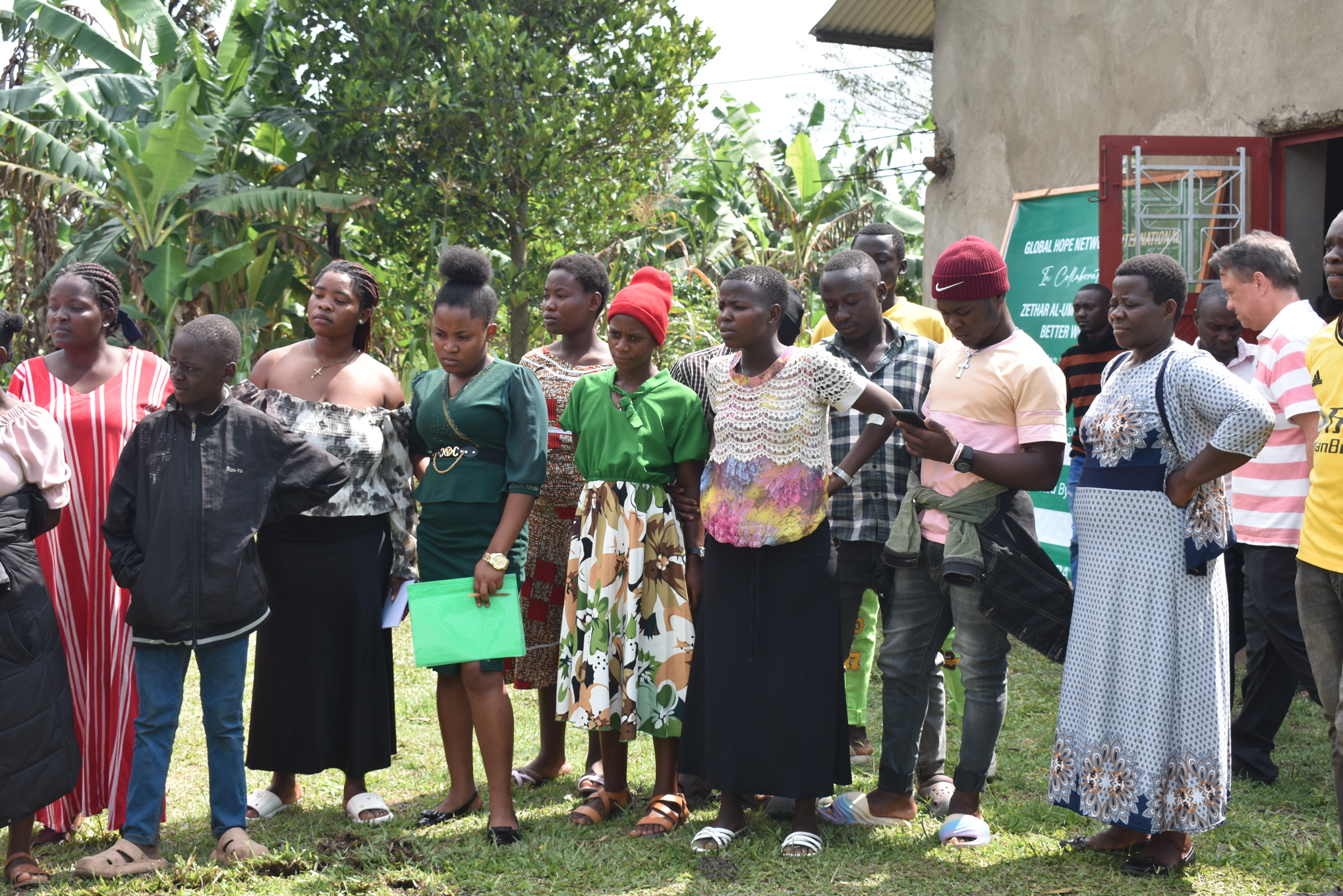
Selected community leaders from 18 villages complete an intensive 4-day TCD training course led by GHNI Master Trainers.
Phase 2: Seed-Fund Village Projects
Trained graduates form Village Development Committees to launch practical local projects, supported by CT Trust seed funding.
The Five Key Village Development Initiatives
Every seed project is designed to become self-sustaining within months, multiplying health, food security, and income for generations.
Community Vegetable Collectives
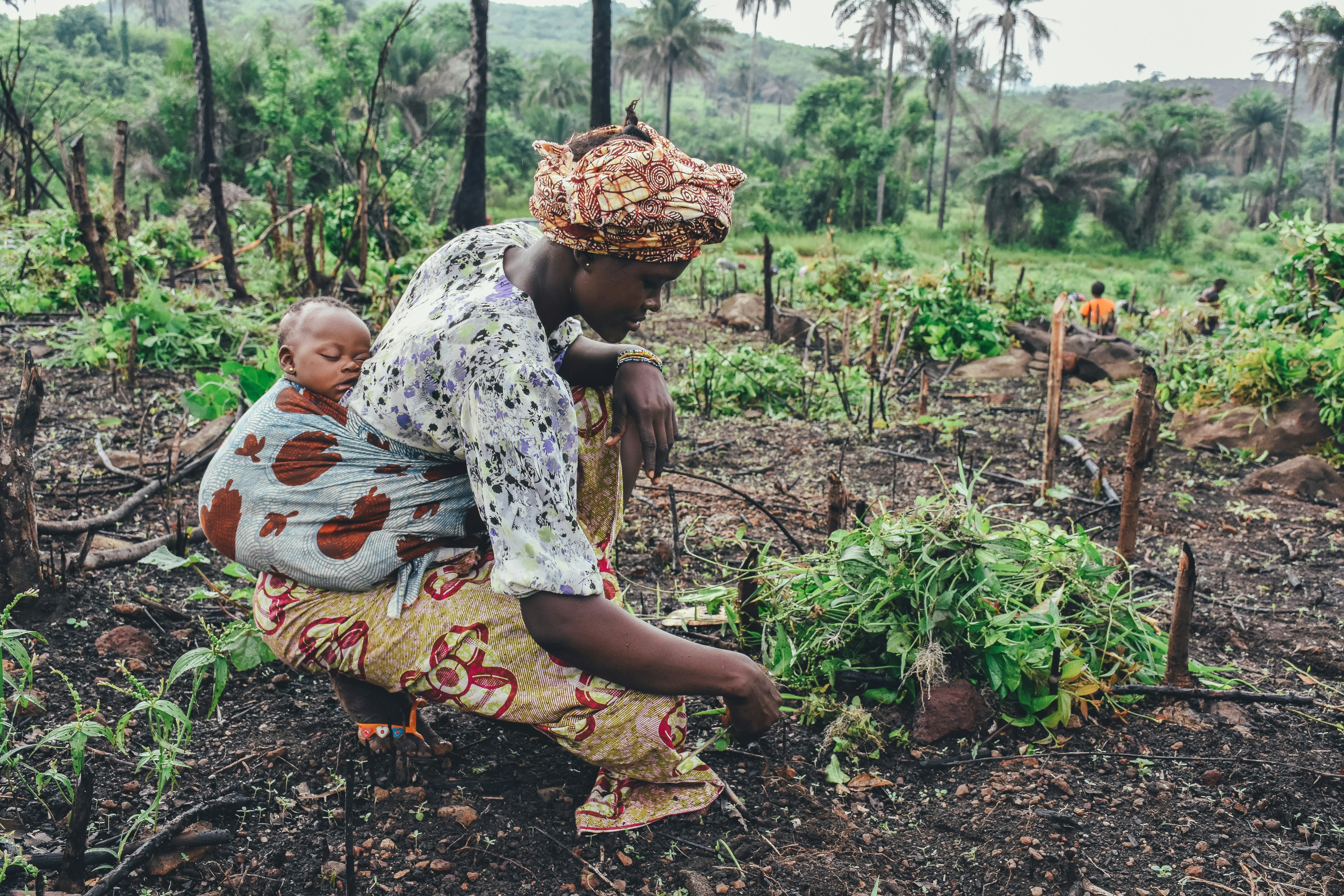
Following TCD training, graduates establish community vegetable gardens across 18 rural villages. Your seed grant provides high-yield seeds (cabbage, carrots, tomatoes), hand tools, fencing, and organic soil training—improving nutrition and generating surplus produce to sell.
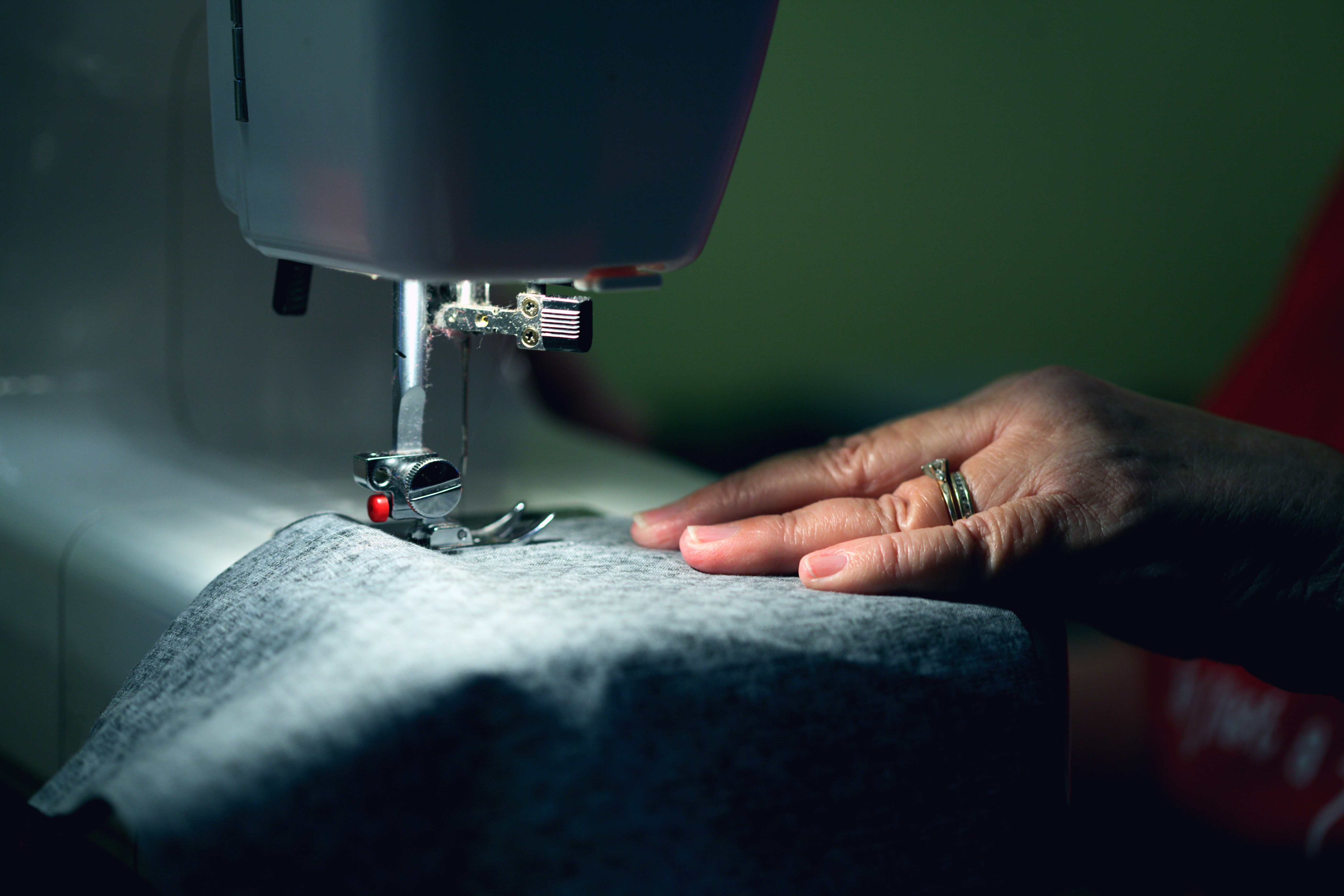
Women's Sewing Centres & Machines
Equips rural women with dedicated sewing centres featuring robust manual machines, fabrics, and vocational training. Managed on the ground by GHNI, this provides a safe space for women to learn tailoring, produce uniforms, and earn an independent income.

Village Soap Making Collectives
Provides essential equipment, materials, and safety gear for village women to manufacture laundry and bathing soap together. This reduces household costs and generates group profits by selling surplus detergent to surrounding local markets.
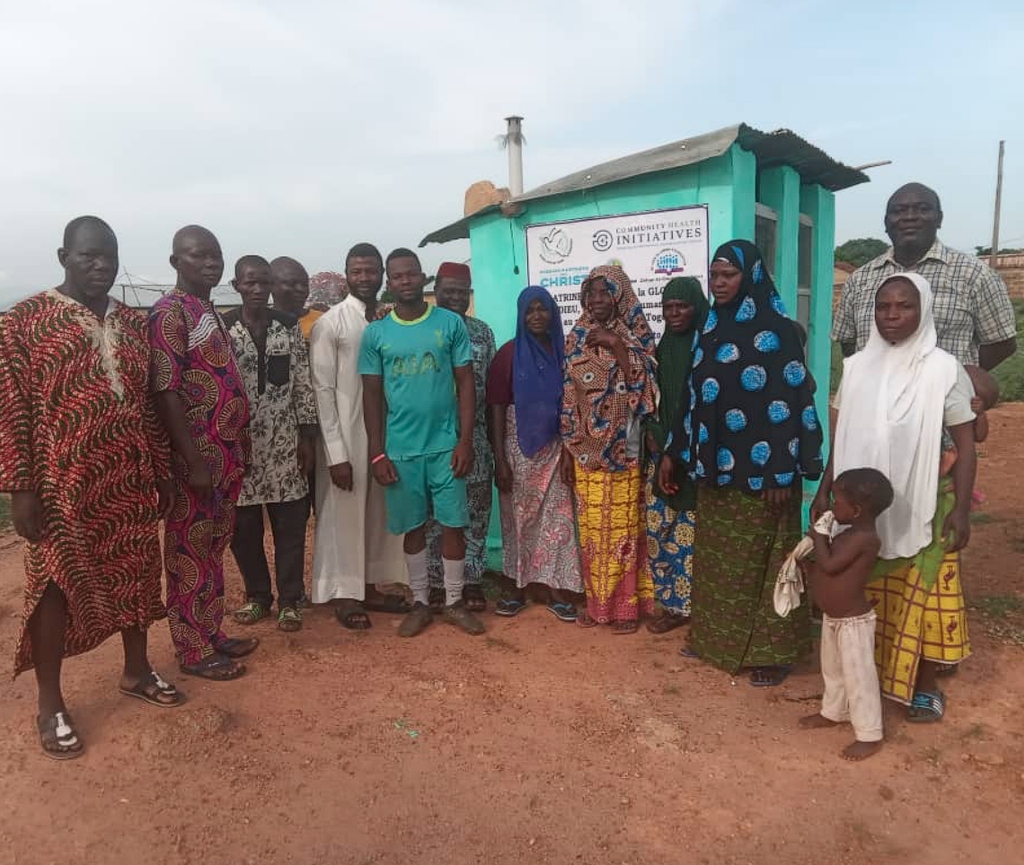
VIP Community Toilet Blocks
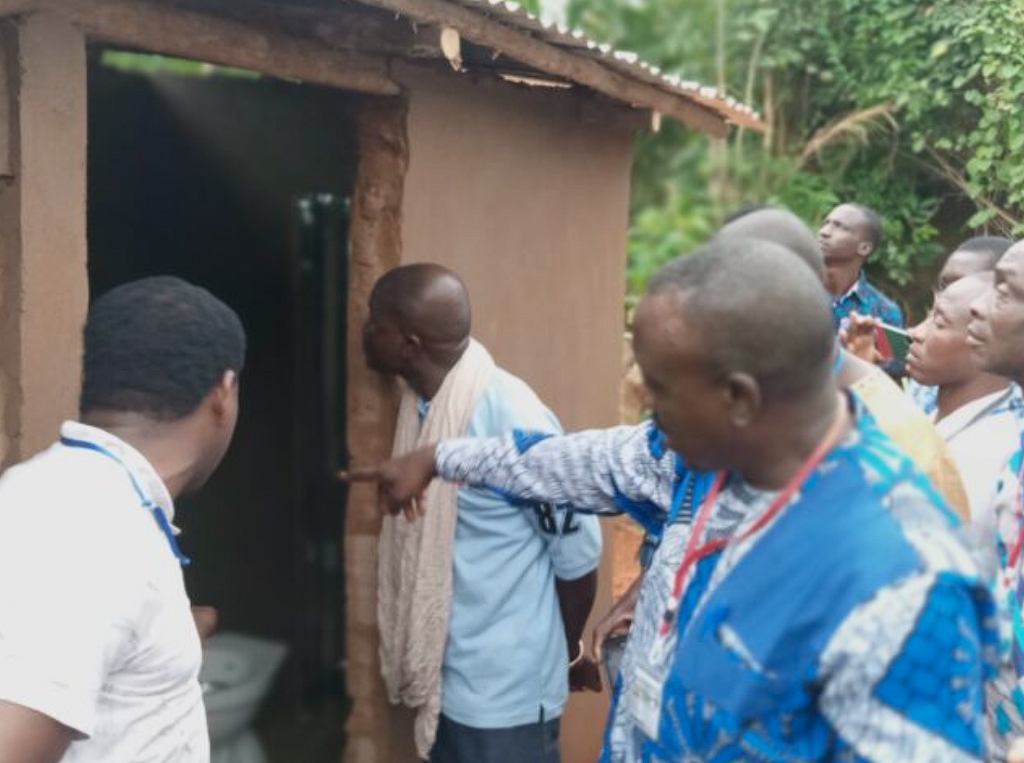
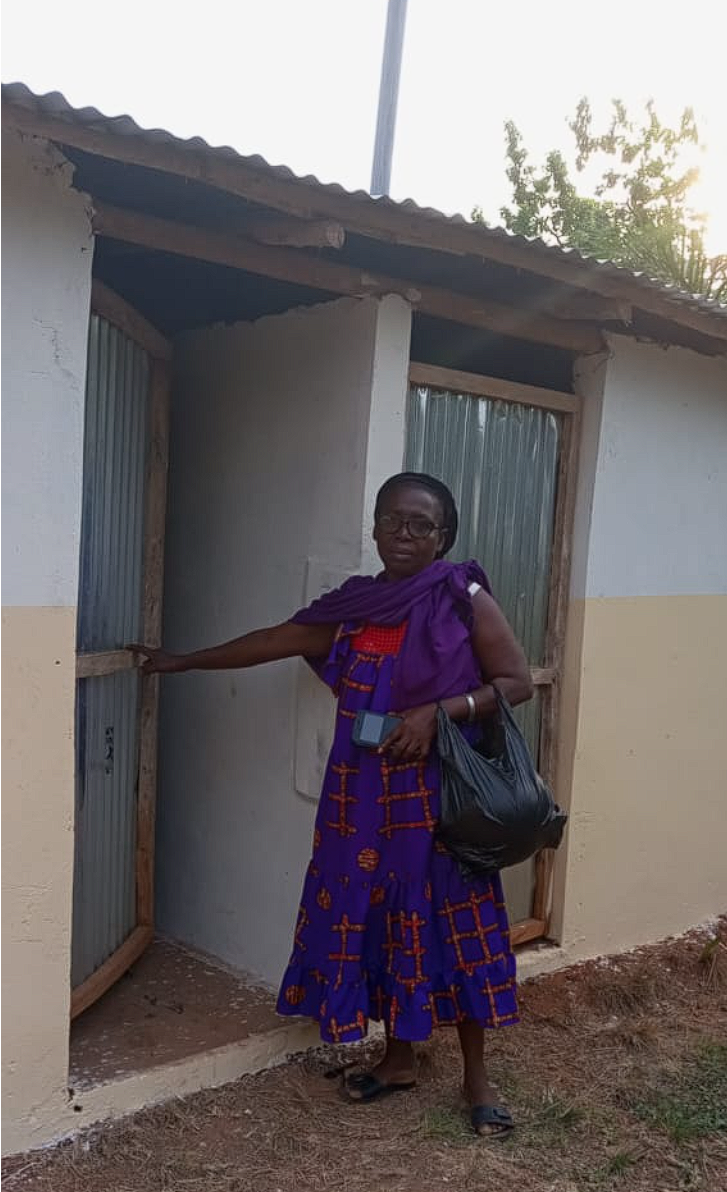
Open defecation and collapsing pit latrines remain a leading cause of cholera, dysentery, and intestinal parasites in rural Western Uganda. CT Trust will help graduates lead their villages towards improved sanitation.
We have agreed to fund the installation of 5 x VIP (Ventilated Improved Pit) community toilet blocks ($4,400 NZD each, each with 4–6 cubicles) in villages, primary schools, or communities in high need. Built with masonry walls, reinforced concrete slabs, screened vent pipes, and multi-tap handwashing stations, these blocks use local materials and labour wherever possible to serve 200 to 400+ people daily.

The Revolving Goat Livestock Scheme
Livestock provides an unmatched financial safety net for rural African families. Under the TCD Revolving Goat model, each graduate receives one healthy, vaccinated female goat upon graduation.
The family cares for the goat, benefiting from milk and fertilising manure. When the goat bears offspring, the first female kid is formally passed on to another village family chosen by the Village Development Committee. This creates an ever-expanding, village-wide chain of blessing that requires zero ongoing external funds.
Why Community Seed Funding Works
Handouts build dependency. Seed funding creates dignity and lifelong ownership.
- Villager Co-Investment: In many cases, villagers part-fund these initiatives, providing their own manual labour, stone, timber, and water.
- Locally Managed Committees: Village committees take full responsibility for ongoing maintenance, scheduling, and accounting.
- On-the-Ground Partner GHNI: Regular monitoring, coaching, and accountability visits from seasoned GHNI community champions.
- Revolving Capital: Profits from soap, vegetables, and sewing are reinvested into expanding the enterprises.
Support Phase 2: Village Development Projects
Livelihood & Income Generation Seed Funds
Equipping families with starter capital for vegetable farming, livestock breeding, sewing centres, and commercial soap-making.
Community Sanitation & Hygiene Infrastructure
Funding shared family VIP latrines and modern multi-cubicle toilet blocks for schools, clinics, and village hubs.