CT Trust supported a Transformational Community Development (TCD) project in Mawa village, South Sulawesi, Indonesia, run by Global Hope Network International (GHNI). The project operated from 2020 to 2024, with an annual cost of approximately $15,000 USD.

Background
The GHNI team first visited Mawa in late 2019. They saw extreme challenges - chiefly water access & poverty. Some households were spending 50% of their monthly income on water during the dry season. Half of the children did not attend school due to cost & distance. Most households took care of livestock (pigs) for other owners & therefore earned very limited income. Many of the fathers work in other regions of Indonesia for several months each year. Simple skin diseases and diarrhea are prevalent. The nearest (unclean) water source was 800m away.
Initial TCD Steps: A local TCD committee was set up (and a TCD Champion selected: Ani - she had been a key figure behind the clean water projects). The team visit twice a week, training committee members and volunteers in lessons, which include: clean water, education of children, and reduce preventable diseases.
January 2023 Update:
The village has already addressed their water needs - piping water from a nearby spring to a new tank in the village. Households now have water piped directly to their homes from that tank, and pay a small fee for water consumption. That fee covers the maintenance costs, reducing the cost of fresh water by 90%.
The focus is currently on generating more income. The current plan is to create a revolving capital fund for the purchase of pigs, however, a virus has spread through the area and caused the deaths of dozens of pigs. In the coming weeks, the TCD committee and training team will re-evaluate their plans.
August 2024 Update:
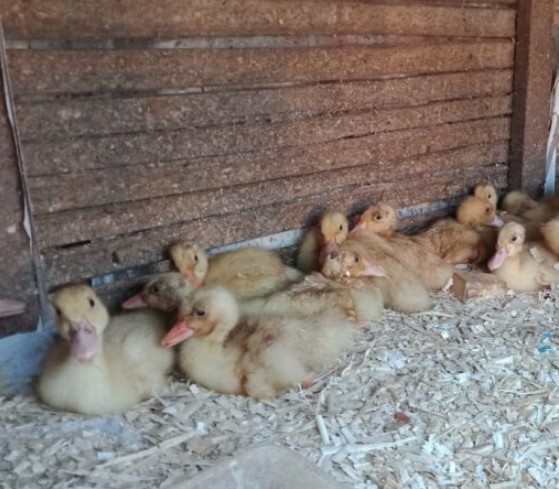
The Mawa village now self-sustaining (and the TCD programme has closed). The community ended up ditching the pig-rearing plan, and started rearing ducks instead - and were successful at boosting their incomes that way. In August 2024 they demonstrated their independence and self-sufficiency by self-funding incubators for their ducklings.